
What Is Outdoor Shading? Protecting Yorkshire Homes
- Andrew Crookes

- Feb 25
- 10 min read
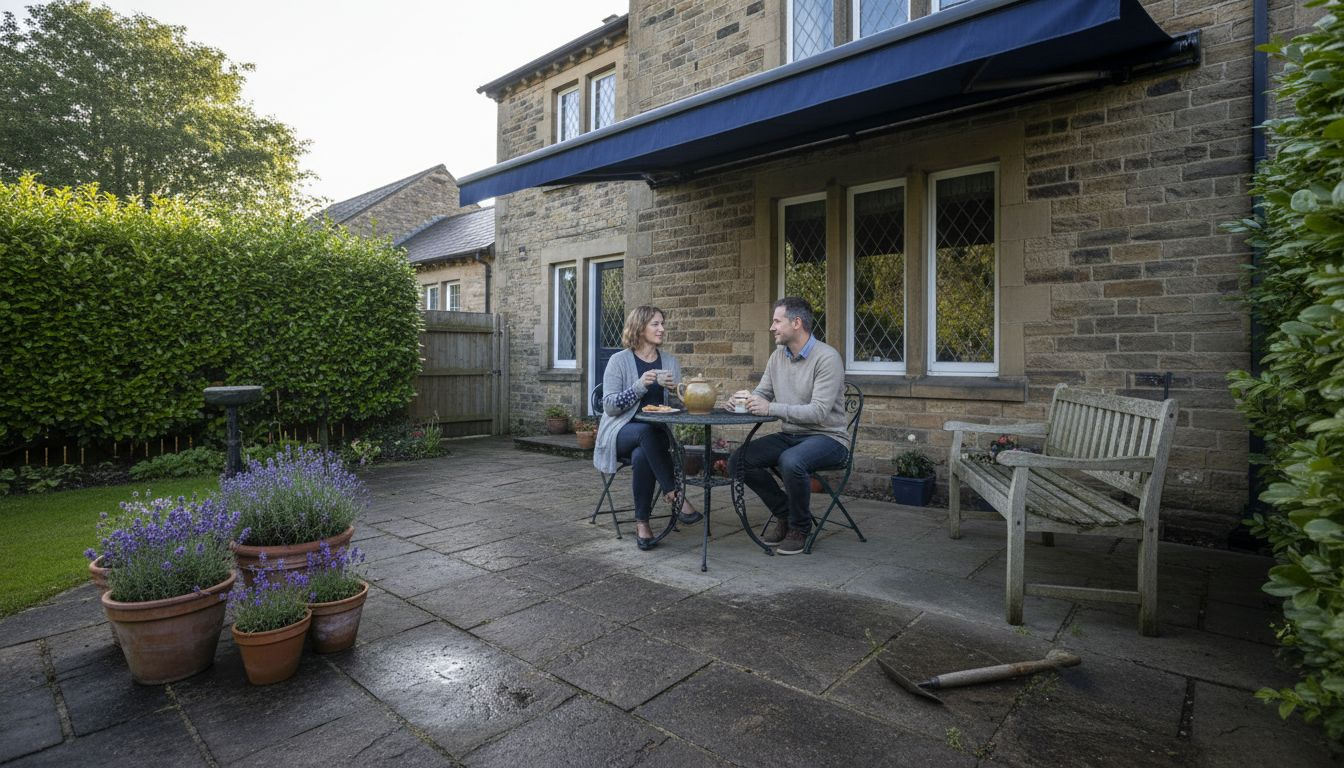
Every Yorkshire homeowner understands how intense the summer sun can make relaxing on the patio nearly impossible. Tackling unwanted heat and UV exposure is becoming a bigger challenge as summers grow warmer. Choosing the right outdoor shading means more than just adding comfort—it is a clever way to protect your home, lower cooling costs, and create beautiful spaces you will actually use. Discover how outdoor shading devices deliver style and practical heat control for your Yorkshire property.
Table of Contents
Key Takeaways
Point | Details |
Importance of Outdoor Shading | Effective shading controls solar heat gain, enhancing indoor comfort and reducing energy bills. |
Types of Shading Solutions | Awnings, pergolas, and fixed overhangs offer varying levels of adjustability and aesthetics. |
Long-term Value | Investing in quality shading solutions pays off over time with reduced maintenance and increased comfort. |
Combining Approaches | Optimal results often come from integrating both natural and artificial shading elements in your garden. |
Defining Outdoor Shading And Its Role
Outdoor shading is about controlling sunlight before it reaches your home. Rather than relying on curtains or cooling systems indoors, these solutions block or filter sunlight at the source, keeping your Yorkshire property cooler and more comfortable naturally.
When sunlight hits your walls, windows, and patio areas, it converts to heat inside your home. Outdoor shading devices intercept this energy before it enters, acting as a protective barrier between your home and the summer sun. This distinction matters because it’s far more efficient than managing heat once it’s already indoors.
In the UK context, outdoor shading reduces solar heat gain and protects against overheating, which has become increasingly important as temperatures rise. Climate change means Yorkshire summers grow warmer, and homes need better defences against indoor overheating, particularly during prolonged hot spells.
The role of outdoor shading spans three key areas:
Creates comfortable outdoor living spaces you can actually use during summer
Reduces reliance on mechanical cooling, lowering energy bills and carbon emissions
Protects your home’s interior from fading and UV damage to furniture and flooring
Historically, British architecture featured more external shading elements. That tradition is returning as designers and homeowners recognise shading as a passive design strategy—one that works without electricity or mechanical systems.
Outdoor shading acts as both climate adaptation and mitigation, helping homes become more resilient to future warming whilst reducing your household’s environmental footprint. It’s increasingly viewed as essential in modern UK construction rather than merely optional.
Unlike temporary solutions such as parasols or garden umbrellas, permanent outdoor shading structures integrate seamlessly with your home’s architecture. These structures enhance your property’s appearance whilst delivering genuine functional benefits throughout the warmer months.
Outdoor shading transforms underused outdoor areas into genuinely liveable spaces by making them comfortable during summer heat.
When choosing outdoor shading for your Yorkshire home, you’re really making two decisions: how much sun protection you need, and which solution best suits your property’s style and your lifestyle. Different outdoor shading options offer varying levels of control, from fully adjustable retractable systems to fixed structures.
Pro tip: Consider your garden’s orientation and which areas receive the most intense afternoon sun—this determines where shading delivers the greatest comfort improvement and energy savings for your specific home.
Major Types: Awnings, Pergolas And More
Outdoor shading comes in several distinct forms, each offering different levels of flexibility, aesthetics, and sun control. Understanding the main types helps you match the right solution to your Yorkshire home’s specific needs and garden layout.
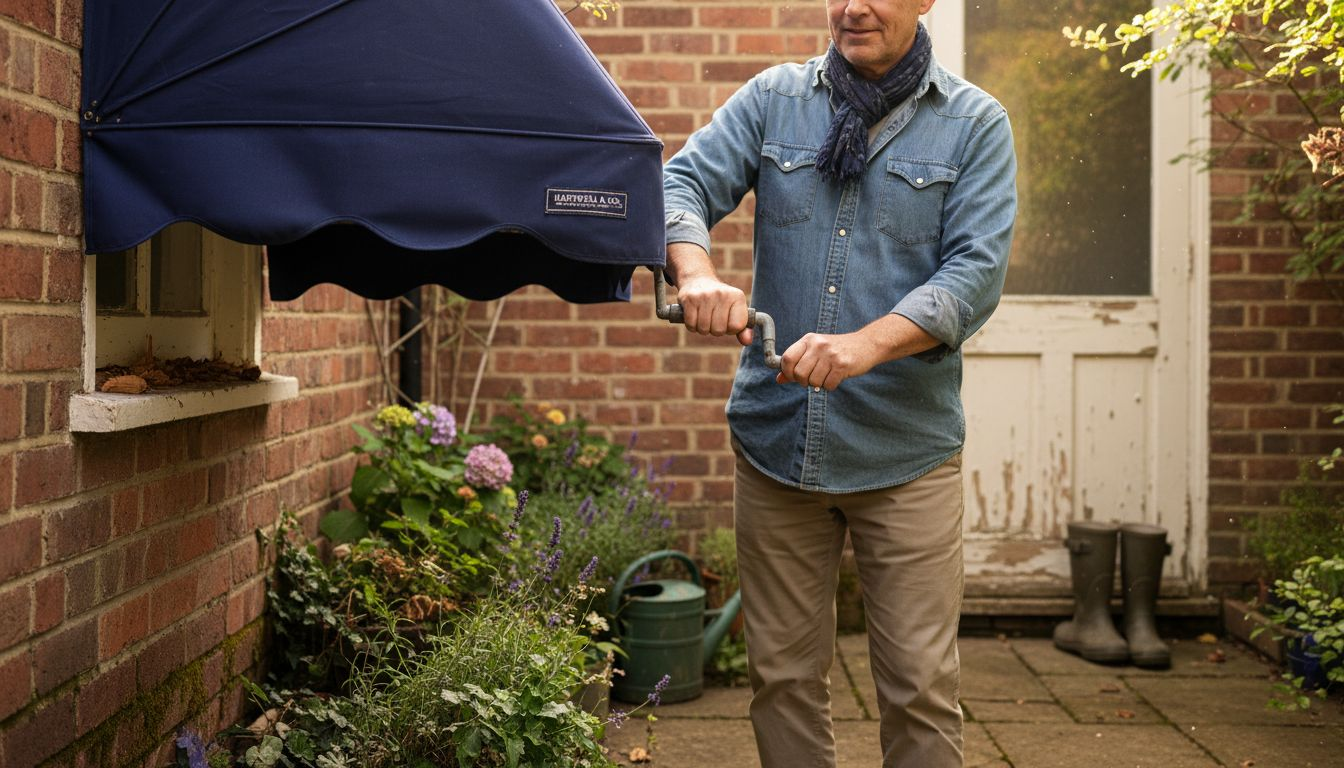
Awnings are among the most popular choices for homeowners. These fabric structures extend from your home’s walls or roof, creating shaded areas over patios, decks, or windows. Many awnings are retractable, meaning you can extend them when the sun is strongest and retract them during cloudy weather or winter. This flexibility makes them perfect for properties where you want to control exactly when shading is active.
Pergolas offer a different aesthetic entirely. These open-roof structures feature horizontal slats or louvred panels that filter sunlight whilst allowing air circulation. Unlike solid awnings, pergolas create dappled shade that feels lighter and airier, ideal if you want shaded space without a fully enclosed appearance. Louvred pergolas can often be adjusted to change shade levels throughout the day.
Major outdoor shading systems include fixed overhangs and adjustable louvers, each designed for different performance requirements. Fixed elements like brise-soleil or roof overhangs provide permanent shade without any moving parts—ideal for passive protection.
Other shading options worth considering include:
External roller blinds that pull down vertically, offering complete sun blocking when needed
Shutters that combine security with sun control and add architectural character
Canopies for larger covered areas or semi-permanent structures over seating zones
Fixed overhangs that work passively year-round with minimal maintenance
Each type differs by how much control you have over shading. Retractable awnings and louvred pergolas offer flexible sun protection whilst fixed devices provide constant, maintenance-free shade. Your choice depends on how much adjustability matters for your lifestyle.
Your garden’s orientation and local sun patterns influence which type works best. South-facing gardens benefit most from fully adjustable solutions, whilst east or west-facing properties might suit fixed overhangs. Wind exposure also matters—exposed sites sometimes need sturdier structures than sheltered gardens.
The best outdoor shading type balances your need for control, aesthetic preferences, and the specific sun patterns your Yorkshire garden experiences.
Patio awnings and pergola designs vary widely in style, allowing you to match your home’s character. Modern fabrics come in countless colours and patterns, and structural finishes range from traditional wood to contemporary powder-coated aluminium.
Pro tip: Start by observing which areas of your garden receive intense afternoon sun and how long that sun exposure lasts—this identifies exactly where shading matters most and which type will deliver the best comfort improvement.
To clarify the primary outdoor shading options, here is a succinct comparison:
Shading Type | Adjustability | Visual Impact | Typical Use Area |
Retractable Awning | Fully adjustable | Modern, blends with buildings | Patios, doorways, windows |
Pergola | Partially adjustable | Adds architectural character | Decks, garden sit-outs |
Fixed Overhang | Not adjustable | Subtle, unobtrusive | Above windows/doors |
External Blinds | Easily operable | Minimalist or contemporary | Window exteriors |
Shutters | Manually operable | Traditional or rustic appeal | Full windows, French doors |
How Outdoor Shading Works For Homes
Outdoor shading operates on a straightforward principle: it blocks or filters sunlight before that energy can penetrate your home. Think of it as stopping heat at the front door rather than trying to cool it down inside.
When sunlight hits your windows, walls, and roof, it converts to heat through the glass and building materials. External shading devices intercept this solar radiation in the early stages, preventing heat from entering your home in the first place. This makes it far more effective than internal solutions like curtains, which trap heat between the fabric and glass.
Outdoor shading reduces direct solar radiation before it enters through windows and doors, lowering internal heat gains significantly. The key advantage is location: by working outside, these systems stop the problem at source.
The effectiveness depends on several factors:
Sun angle and season — high summer sun is blocked whilst lower winter sun can pass through
Building orientation — south-facing windows receive different sun intensity than east or west-facing ones
Device design — fixed overhangs work differently than adjustable awnings or pergolas
Timing and duration — how long direct sunlight hits specific areas throughout the day
Your Yorkshire home’s orientation heavily influences how shading performs. A south-facing garden receives intense afternoon heat, whilst north-facing areas may need minimal shading. East-facing properties get strong morning sun, and west-facing homes experience brutal late-afternoon heat.
External blinds, shutters, awnings, and pergolas provide a physical barrier against the sun’s rays, reducing overheating risk substantially. Modern systems work with ventilation to ensure heat escapes when needed.
Shading also reduces your reliance on air conditioning and cooling systems. By maintaining lower indoor temperatures naturally, you save energy and money whilst improving comfort. This is particularly important as UK summers grow warmer.
Effective shading tackles heat before it enters your home—the most efficient way to maintain comfort and reduce cooling costs.
Some shading works passively (fixed overhangs), whilst retractable awnings allow you to adjust protection throughout the day. Automated systems can even track the sun’s movement, optimising coverage without manual effort.
Pro tip: Combine shading with natural ventilation by opening windows on shaded sides of your home—this creates air circulation that removes trapped heat far more effectively than shading alone.
Costs, Pitfalls And What To Avoid
Outdoor shading requires a genuine investment, but cutting corners often costs far more in the long run. Understanding common pitfalls helps you make decisions that deliver real value rather than regret.
Initial cost barriers exist for many Yorkshire homeowners. Quality awnings, pergolas, and professional installation don’t come cheap. However, the price reflects durability, performance, and the comfort gains you’ll enjoy for years. Budget solutions frequently fail within seasons, requiring replacement and wasting money.
Poorly specified shading can lead to unintended consequences such as excessive blocking of natural daylight or inadequate durability leading to high maintenance. Fixed shading that blocks beneficial low winter sun wastes heat when you actually need it. This is why permanent solutions sometimes disappoint—they shade equally poorly in all seasons.
Common mistakes to avoid include:
Choosing fixed shading without considering winter solar gain
Relying on internal shading alone, which traps heat rather than preventing it
Ignoring integration with ventilation strategies
Poor placement causing glare on screens or insufficient coverage
Overlooking building orientation when designing shading areas
Using manual systems without considering user behaviour
Many homeowners underestimate maintenance demands. Fabric awnings need regular cleaning. Moving parts require occasional servicing. Neglecting this causes premature wear and reduced lifespan. Budget for ongoing care alongside initial purchase.
Poor placement and inappropriate device selection can lead to glare and inadequate protection. Without professional design, you might shade areas that don’t need it whilst leaving problem zones exposed. This wastes money and delivers disappointing results.
UK Building Regulations compliance matters too. Particularly Part O requirements for overheating mitigation—non-compliant installations create future problems when selling or extending your home. Getting this right during initial specification prevents expensive retrofitting later.
Cheap shading often becomes expensive shading once replacement costs and frustration mount—invest properly at the start.
Automated or adjustable systems cost more upfront but deliver superior flexibility and user engagement. Professional installation guidance prevents costly DIY mistakes that compromise both performance and safety. Consider this an investment protecting your property investment.
Pro tip: Get professional specification early in your planning, not as an afterthought—this single step prevents costly design errors, ensures Building Regulations compliance, and maximises your shading investment’s value.
Comparing Outdoor Shading Alternatives
You face two main shading categories: natural options like trees and vegetation, or artificial structures like awnings and pergolas. Each approach has distinct advantages, and the best choice often combines both.
Natural shading from mature trees offers genuine charm and environmental benefits. Trees cool through evapotranspiration, release oxygen, and enhance your garden’s wildlife value. However, they’re seasonal, take years to establish, and provide less control. You cannot adjust a tree’s shade in winter when you want solar heat.
Artificial shading structures give you precise control over when protection is active. Retractable awnings extend during intense summer sun and retract during autumn. Pergolas can feature adjustable louvres that respond to sun angle throughout the day. Fixed structures never vary, but require zero maintenance or user involvement.
Outdoor shading alternatives include fixed architectural devices and dynamic systems like motorised louvres, each serving different purposes. Fixed overhangs excel in low maintenance but lack adaptability. Dynamic solutions offer superior solar control but require higher investment.
Key comparison points include:
Maintenance — trees need pruning; structures need occasional cleaning and servicing
Control — artificial systems adjust to your needs; trees follow nature’s schedule
Cost — trees grow free over time; structures cost upfront but deliver immediate results
Aesthetics — natural shade feels organic; artificial structures define modern design
Reliability — structures perform consistently; trees depend on weather and health
Space requirements — trees need soil and roots; structures adapt to patios and walls
Fixed devices offer low maintenance but lack adaptability, whilst dynamic solutions adjust to sun angles and user needs. Most Yorkshire homeowners benefit from combining strategies—perhaps mature trees for background cooling alongside a retractable awning for daily control.
Your building’s orientation matters significantly. South-facing gardens rarely have suitable tree placement; they suit adjustable artificial shading. North-facing areas need minimal shading, so natural vegetation often suffices. East or west-facing properties benefit from afternoon control that artificial systems deliver reliably.
The optimal solution usually combines natural and artificial shading—trees provide background cooling whilst structures deliver precise daily control.
When comparing options for your Yorkshire home, choosing the right shading approach depends on your specific garden orientation and comfort goals. Retractable and adjustable systems offer maximum flexibility, whilst fixed structures prioritise simplicity.
Pro tip: Map your garden’s sun exposure across all seasons before deciding—this reveals exactly where trees could grow naturally, and which areas need artificial shading for year-round comfort control.
Below is a summary of natural versus artificial shading choices for Yorkshire homes:
Aspect | Natural Shade (Trees) | Artificial Shade (Structures) |
Speed of Benefit | Several years to mature | Immediate upon installation |
Adaptability | Seasonal, non-adjustable | Customisable to daily needs |
Long-term Costs | Low, mainly maintenance | Higher upfront, moderate upkeep |
Design Impact | Enhances greenery | Defines modern or classic styling |
Space Needs | Large root area required | Fits compact spaces or patios |
Discover Tailored Outdoor Shading Solutions for Yorkshire Homes
Protecting your home from overheating and creating comfortable outdoor living spaces are real challenges as Yorkshire summers grow warmer. If you want effective control of solar heat gain paired with stylish, durable structures like retractable awnings and pergolas, Infinity Awnings has the expertise you need. Our premium shading solutions are designed to intercept sunlight before it enters your home, reducing energy costs and enhancing your garden’s usability throughout the seasons. We understand the importance of combining flexibility with aesthetics and building orientation to deliver truly bespoke solutions.
Take control of your outdoor comfort today with professional design, supply, and installation from a team trusted across Yorkshire and neighbouring regions. Explore our range of high-quality products and customised options designed to fit your lifestyle and property architecture. Start your journey now by visiting Infinity Awnings to request a free quote or download our expert guides. Discover how our retractable awnings, pergolas, and shading systems can transform your outdoor areas and protect your home effectively from the summer sun.
Frequently Asked Questions
What are the main benefits of outdoor shading for homes?
Outdoor shading helps create comfortable outdoor living spaces, reduces reliance on air conditioning, and protects interior furnishings from UV damage and fading.
How do different types of outdoor shading compare in terms of flexibility?
Retractable awnings offer full adjustability, allowing homeowners to extend or retract them based on sunlight levels. Pergolas provide partial adjustment with louvred panels, while fixed structures like overhangs and external blinds have no adjustability but require little to no maintenance.
Can outdoor shading help reduce energy bills?
Yes, outdoor shading reduces solar heat gain, which means your home stays cooler without needing to run air conditioning as often. This leads to lower energy consumption and reduced utility bills.
How do I choose the right outdoor shading solution for my home?
Consider factors such as your home’s orientation, the areas that receive the most sunlight, the style and aesthetics of your property, and how much control you want over the shading throughout the day.
Recommended
Comments