
Top veranda style options for elegant outdoor living

TL;DR:
Choose veranda styles based on architecture, climate, and lifestyle needs for optimal use.
Aluminium frames and various roof types offer low maintenance and weather adaptability.
Proper planning ensures long-term comfort, aesthetic harmony, and the right protection in unpredictable weather.
Choosing the right veranda for your property is rarely as straightforward as picking a colour you like. Style, weather protection, maintenance demands, and how well the structure complements your existing architecture all pull in different directions. For homeowners and commercial property managers across Yorkshire, Derbyshire, Nottinghamshire, and Lincolnshire, the challenge is even more specific: the region’s unpredictable climate means your veranda needs to look great and perform reliably. Aluminium frames dominate for durability and low maintenance, while different roof types each bring specific advantages. This guide walks you through every major style option, compares them side by side, and helps you make a confident, informed decision.
Table of Contents
Key Takeaways
Point | Details |
Match style to needs | Choose a veranda design based on both your lifestyle and property architecture. |
Material matters | Aluminium frames and glass or louvred roofs give durability and seasonal flexibility. |
Local providers add value | Regional experts ensure seamless installation, aftercare, and compliance for your area. |
Compare before deciding | Use a side-by-side comparison to weigh style, cost, function, and maintenance. |
How to evaluate veranda style options
Before you fall in love with a particular look, it pays to build a clear evaluation framework. Rushing straight to aesthetics without considering function is one of the most common mistakes property owners make, and it often leads to a structure that looks beautiful but frustrates you every time the weather turns.
Start by thinking across three dimensions: style, function, and climate suitability. Style covers the broad spectrum from traditional to contemporary. Function asks whether you need year-round usability or a seasonal shelter. Climate suitability, particularly relevant in the north of England, determines how much weather protection your roof type and frame must provide.
When it comes to construction, most quality verandas today use aluminium frames. Aluminium resists rust, requires minimal upkeep, and holds its shape across decades. Roof types vary considerably:
Glass roofs flood the space with natural light and provide full weather protection
Polycarbonate roofs are lighter and more affordable, offering good insulation
Louvred roofs use adjustable slats to control airflow and shade on demand
Solid or tiled roofs deliver maximum shelter and a more permanent, architectural feel
For buyers in Yorkshire and the Midlands, choosing a local provider matters. Regional specialists understand planning considerations, local architecture styles, and can offer ongoing aftercare without long lead times. You can also explore shading selection tips to broaden your thinking before committing to a specific product.
Key decision criteria worth writing down before you speak to any supplier include your existing architecture, your maintenance preferences, your intended use (entertaining, dining, relaxation), and your budget. Design inspirations from leading interiors publications can also help you articulate what you actually want before the conversation begins. Note that integrated gutters and subtle roof pitches are standard technical details on quality installations, quietly managing rainwater without detracting from the overall look.
Pro Tip: Take photographs of your property’s exterior before meeting a supplier. The roofline, window style, and brickwork colour all inform which veranda style will look cohesive rather than bolted on.
Contemporary veranda styles for modern spaces
If your property has clean lines, large glazed panels, or a new-build aesthetic, a contemporary veranda style will almost certainly serve you better than a heritage-inspired alternative.
Minimalist aluminium frame verandas are the go-to choice for modern homes and commercial settings. Slim profiles, powder-coated finishes in anthracite grey or white, and uncluttered detailing give these structures a sleek, architectural quality. The trade-off is that ultra-minimalist designs offer less decorative character, which can feel stark against older stone or brick properties.
Open pergola structures suit those who want partial shade and airflow rather than full enclosure. They work brilliantly in summer but offer limited protection during Yorkshire’s wetter months. If you want the best of both worlds, a louvred roof pergola is worth serious consideration. Aluminium frames and louvred roofs offer automatic weather adjustment, low maintenance, and a modern look that suits both residential gardens and commercial hospitality spaces.
Key advantages of contemporary veranda styles:
Extremely low maintenance due to powder-coated aluminium construction
Electric louvres can open or close in seconds, responding to changing conditions
Wide range of RAL colour options to match or contrast your property
Compatible with LED lighting strips and infrared heaters for evening use
Ideal for restaurants, bars, and hotels seeking a polished outdoor dining area
For properties that need genuine all-season performance, all-weather solutions with motorised louvres are increasingly popular. Similarly, if you want a freestanding structure rather than a wall-mounted one, retractable pergolas offer flexibility that fixed verandas cannot match.
Pro Tip: If you run a commercial venue, check whether your chosen veranda supplier can provide structures rated for public use. Commercial-grade fixings and load ratings differ from residential specifications.
Traditional and glass veranda options
Not every property suits a minimalist aluminium frame. Period homes, boutique hotels, and historic venues often call for something with more warmth, character, and visual weight.
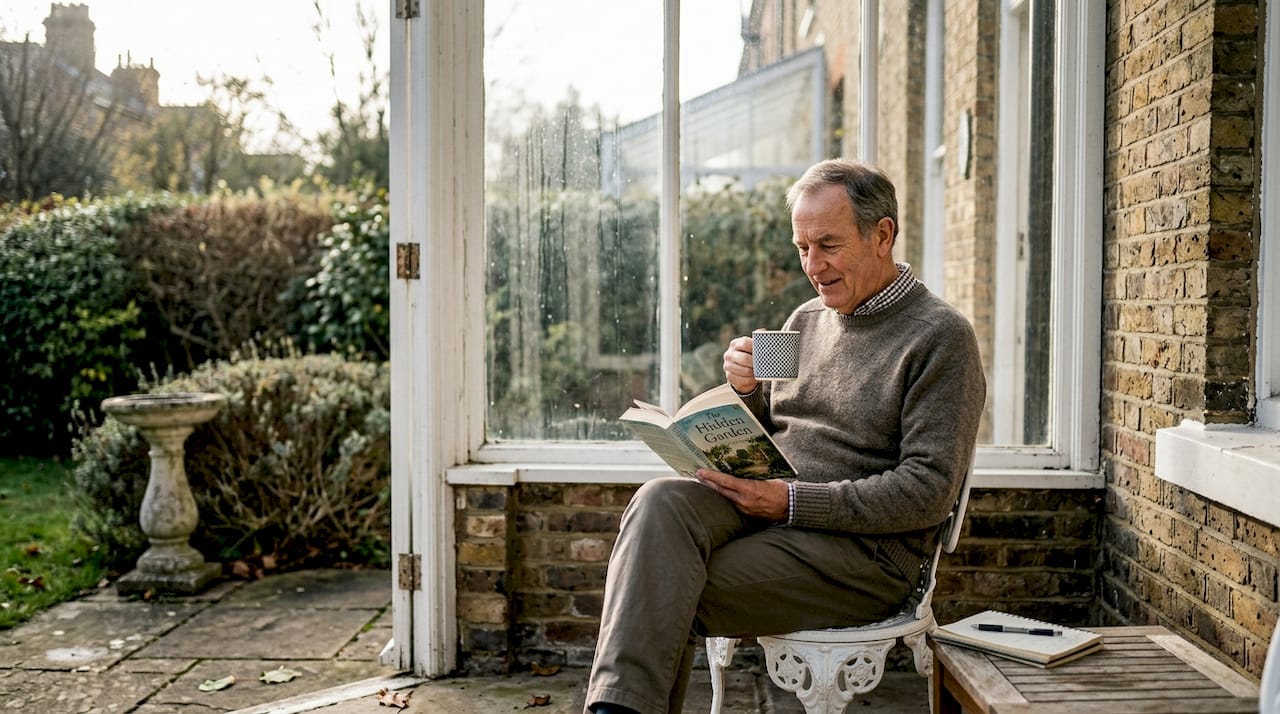
Traditional veranda styles draw on Victorian and Edwardian design language: decorative columns, ornate brackets, pitched roofs, and heritage colour palettes in cream, sage green, or racing green. These details are not merely decorative. They signal that the structure belongs to the property rather than sitting awkwardly alongside it. For a stone farmhouse in the Dales or a red-brick terrace in Nottingham, a traditional veranda can genuinely elevate the entire exterior.
Glass verandas occupy a slightly different category. They are not strictly traditional in style, but they share the same goal: creating a sheltered, light-filled space that feels like a natural extension of the home. Key benefits include:
Year-round usability without sacrificing natural light
Unobstructed garden views even when the weather is poor
Thermal comfort in cooler months when combined with glazed side panels
High perceived value, making them attractive for properties where resale matters
As one design perspective notes, classic open styles offer airiness while enclosed glass rooms enable seasonal versatility, and the right choice depends entirely on how you intend to use the space.
For more detail on why glass structures are worth considering, the glass veranda benefits page covers performance, aesthetics, and practical considerations. If cost is a factor, reviewing bespoke glass veranda pricing will help you understand what influences the final figure.
Side-by-side comparison of popular veranda styles
To make your decision easier, here is an at-a-glance comparison of the styles discussed so far.
Style | Frame material | Roof type | Best suited for | Maintenance level |
Minimalist aluminium | Aluminium | Flat or louvred | New builds, modern homes, commercial | Very low |
Open pergola | Aluminium or timber | Open or partial | Summer use, sheltered gardens | Low to medium |
Louvred roof veranda | Aluminium | Adjustable louvres | Year-round use, hospitality venues | Very low |
Traditional style | Aluminium or timber | Pitched or glass | Period properties, boutique hotels | Medium |
Glass veranda | Aluminium | Full glass | All-season living, light-focused spaces | Low |
Polycarbonate roof | Aluminium | Polycarbonate panels | Budget-conscious buyers, seasonal use | Low |
Glass, polycarbonate, and louvred roofs each have genuine strengths depending on your light requirements and the level of weather protection you need. There is no universally superior option.
For homeowners, the most important column in that table is often “best suited for”. Match the style to your architecture first, then refine based on budget and maintenance preference. For commercial clients, year-round usability and low maintenance typically take priority over heritage aesthetics.
If you want to see how these decisions play out in practice, the veranda installation case study for a Sheffield property shows how style, function, and local architecture were balanced in a real project.
How to match veranda style to property and lifestyle
Now you are familiar with the options, here is a practical process for narrowing down your choice.
Assess your architecture. Is your property modern, Victorian, Edwardian, or rural? The veranda style should feel like it grew with the building, not arrived separately.
Check your orientation. A south-facing garden benefits from shade-focused solutions like louvred roofs. A north-facing space may need maximum light, making glass a better fit.
Define your primary use. Dining, entertaining, relaxing, or commercial hospitality each place different demands on the structure.
Review local compliance. Most verandas fall under permitted development, but conservation areas and listed buildings require additional checks with your local authority.
Consider aftercare. A veranda is a long-term investment. Choose a supplier who offers local aftercare rather than one based hundreds of miles away.
Regional providers such as Infinity Awnings service Yorkshire, Derbyshire and surrounding areas, supporting easy aftercare when you need it most. That proximity matters when a motor needs attention or a panel requires replacing several years down the line.
For further reading before you commit, awning and patio selection guidance covers related decisions, and custom awning advice explains how bespoke specifications are handled from brief to installation.
Pro Tip: Ask any potential supplier for references from installations within your region. Local examples let you see how the structure weathers over time in the same climate you live in.
Why your veranda choice matters more than you think
Most people treat veranda selection as a home improvement decision. In reality, it is closer to an architectural decision, and the consequences last far longer than a new kitchen or bathroom.
Conventional wisdom tends to underestimate how significantly a well-chosen veranda improves daily life. It is not just about having somewhere to sit when it rains. A veranda that genuinely suits your lifestyle changes how you use your garden across every season. Families eat outside more. Commercial venues extend their trading hours. Properties feel larger and more connected to the outdoors.
Having worked with property owners across Yorkshire and the Midlands for over 15 years, we have seen one pattern repeat itself: buyers who prioritise looks over function almost always wish they had thought harder about weatherproofing choices before signing off on a design. A beautiful open pergola that sits unused nine months of the year is not a good investment, regardless of how it looks in photographs.
The uncomfortable truth is that the best veranda is rarely the most visually striking one in the brochure. It is the one that fits your climate, your architecture, and your actual habits. Get that right, and the aesthetics will follow naturally.
Ready to enhance your outdoor space?
If you have worked through this guide and feel clearer about what you need, the next step is speaking to someone who can translate those preferences into a real design.
At Infinity Awnings, we provide expert veranda installation services across Yorkshire, Derbyshire, Nottinghamshire, and Lincolnshire, with over 15 years of regional experience behind every project. Whether you are drawn to a sleek louvred roof structure or a light-filled glass veranda, our team offers free, no-obligation quotes and site visits to help you choose with complete confidence. We also supply and install garden pergolas for those who want a freestanding alternative. Get a free veranda quote today and take the first step towards an outdoor space you will genuinely use all year round.
Frequently asked questions
Which veranda roof type is best for unpredictable Yorkshire weather?
Louvred roofs adjust to weather via electric motors and sensors, making them particularly well suited to Yorkshire’s changeable conditions, as they can be closed remotely within seconds when a shower arrives.
Do I need planning permission for a new veranda?
Most verandas fall under permitted development rights, but you should always check with your local planning authority, particularly if your property is listed or sits within a conservation area.
How much maintenance do aluminium veranda frames require?
Aluminium frames are dominant in veranda construction precisely because they need so little attention, with occasional washing typically sufficient to keep them looking new for many years.
Is a glass veranda suitable for year-round use?
Glass verandas allow year-round light and shelter, making them an excellent choice for homeowners who want to enjoy their garden views in comfort regardless of the season.
Recommended
Comments