
Save energy with awnings: Yorkshire homes guide 2026

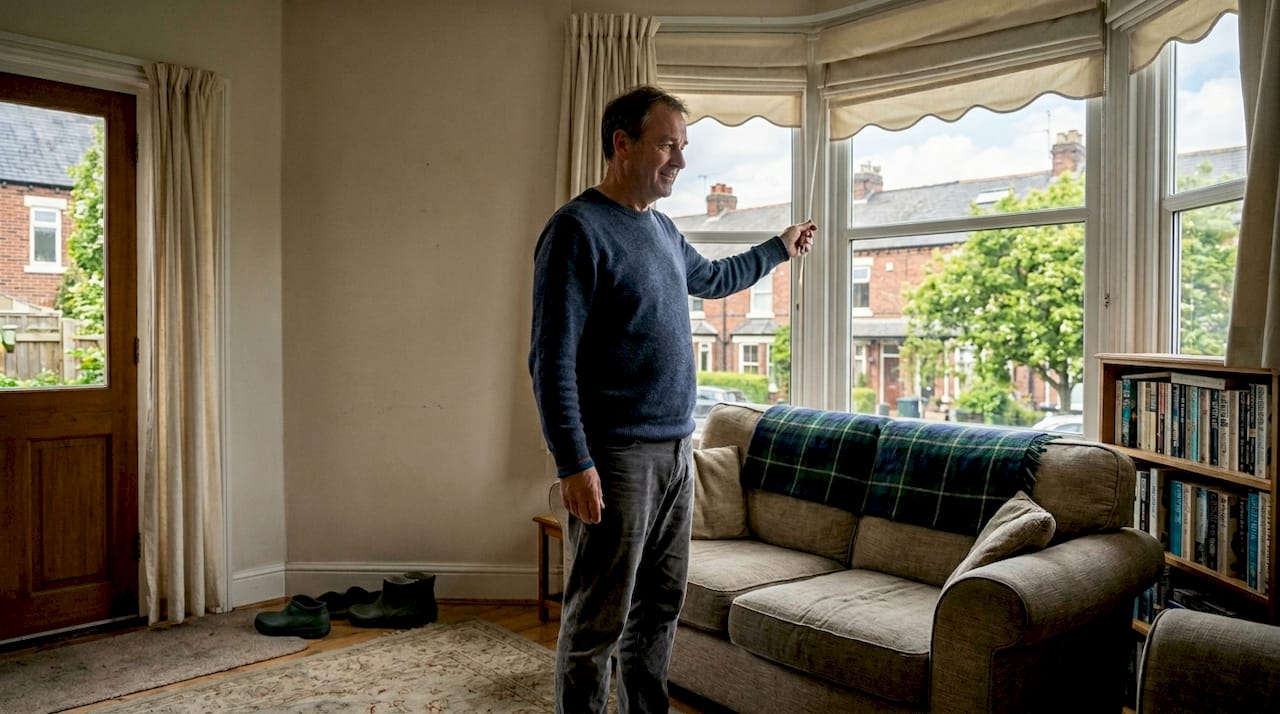
Rising energy bills and uncomfortable summer heat are constant challenges for Yorkshire homeowners and businesses. With cooling costs climbing year after year, many property owners struggle to maintain comfortable indoor temperatures without breaking the bank. Awnings offer a practical, proven solution that can reduce your cooling expenses by up to 25% whilst enhancing outdoor living spaces. This guide walks you through selecting, installing, and maintaining awnings specifically for Yorkshire’s climate, helping you achieve measurable energy savings whilst improving comfort in your home or commercial property.
Table of Contents
Key Takeaways
Point | Details |
Cooling cost savings | Awnings can reduce cooling costs by up to 25 per cent, providing noticeable savings in summer. |
External shading advantage | External shading blocks heat before it enters the building, delivering greater energy savings than internal blinds. |
Retractable awnings suit Yorkshire | Retractable designs accommodate the variable weather of Yorkshire, allowing seasonal use and year round energy efficiency. |
Motorised wind protection | Motorised systems with wind sensors automatically retract to protect the awning and extend lifespan. |
Understanding how awnings save energy
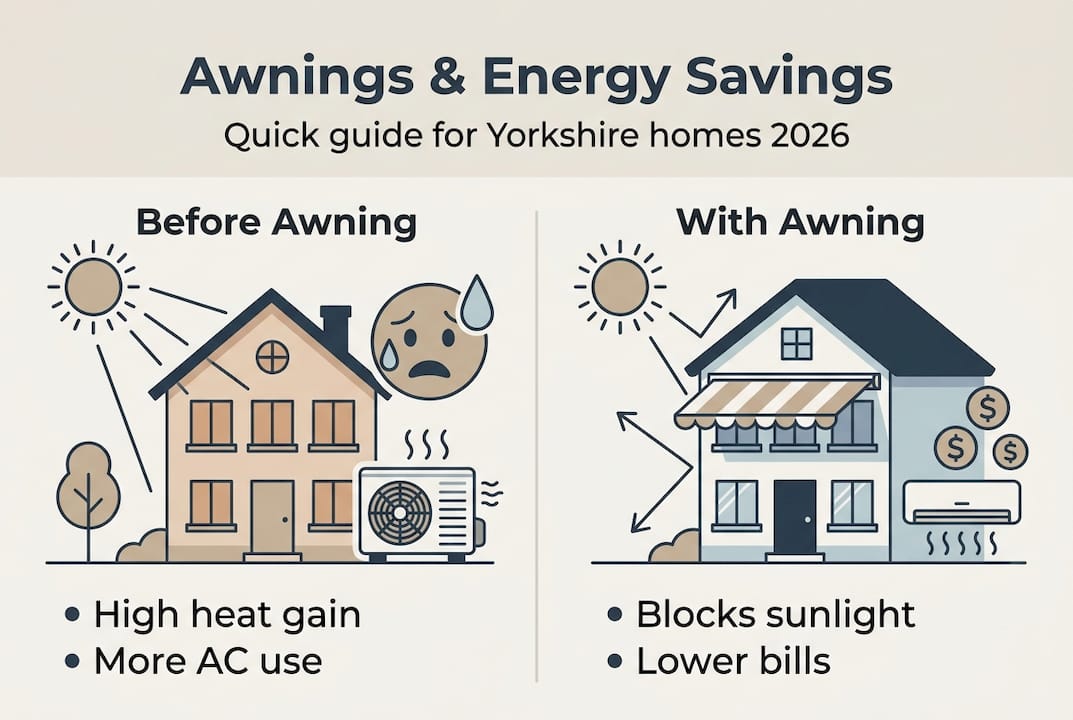
Solar heat gain through windows accounts for a substantial portion of indoor temperature rise during summer months. When sunlight streams through glass, it converts to thermal energy inside your property, forcing air conditioning systems to work harder and consume more electricity. This cycle drives up energy bills whilst creating uncomfortable hot spots near windows and glass doors.
Awnings interrupt this process by blocking sunlight before it reaches your windows. Studies show that properly installed awnings reduce cooling costs by 10-25% and block up to 70% of solar heat gain. The temperature reduction inside shaded rooms typically ranges from 3 to 5 degrees Celsius, creating noticeably more comfortable spaces without additional cooling equipment. This makes awnings particularly valuable for south and west-facing windows that receive intense afternoon sun.
External shading solutions like awnings deliver superior performance compared to internal blinds or curtains. Research demonstrates that external shading saves 19-25% of cooling energy in hot climates because it prevents heat from entering the building envelope entirely. Internal shading only reflects heat after it has already passed through the glass, meaning your windows still absorb and radiate warmth into your rooms.
Yorkshire’s temperate maritime climate presents ideal conditions for awning energy savings. Whilst summers rarely reach extreme temperatures, sustained periods of warm weather from June through August create consistent cooling demands. The benefits of outdoor shading become most apparent during these months when awnings provide daily relief from solar heat gain.
Pro tip: Calculate your potential savings by monitoring electricity usage during warm months, then comparing costs after awning installation. Most Yorkshire properties see measurable reductions within the first summer season.
Here’s a practical comparison showing typical cooling cost savings versus awning investment:
Property type | Annual cooling cost | Savings with awnings | Awning cost | Payback period |
Semi-detached home | £400 | £80-100 | £600-800 | 6-8 years |
Detached house | £600 | £120-150 | £900-1200 | 6-8 years |
Small business | £1200 | £240-300 | £1500-2000 | 5-7 years |
Choosing the right awnings for Yorkshire properties
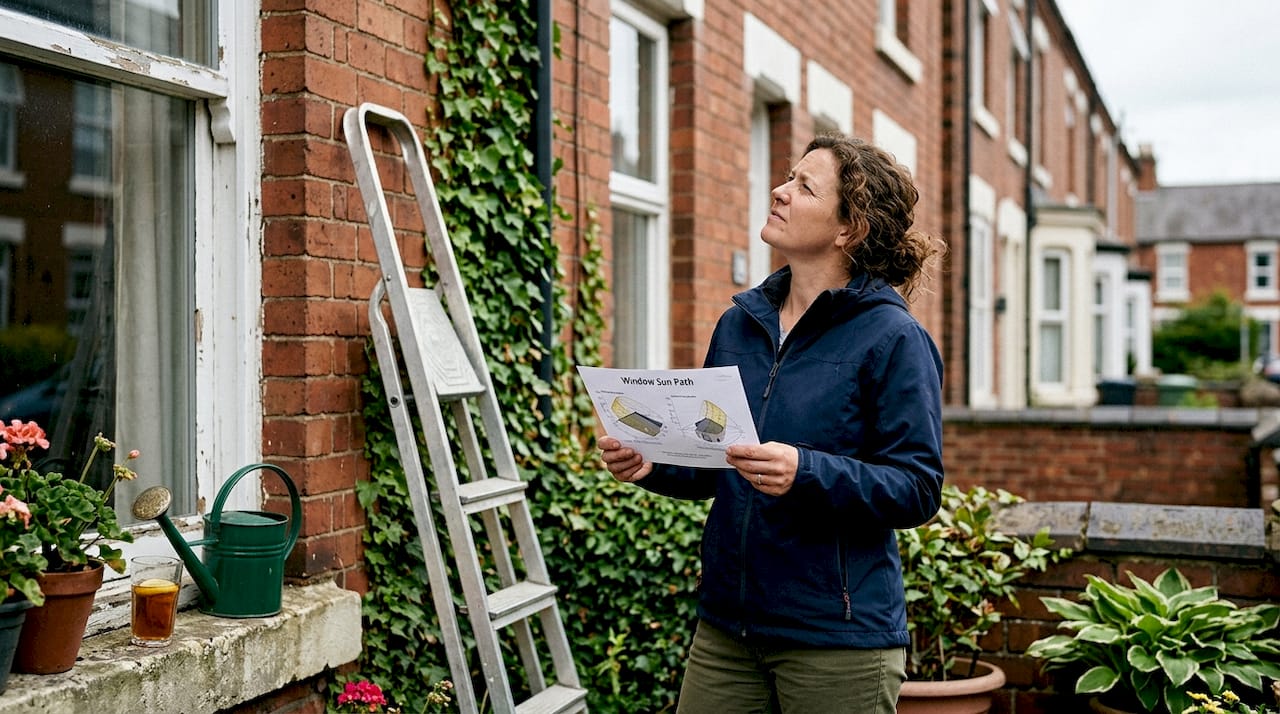
Window orientation dramatically affects awning effectiveness for energy savings. South-facing windows receive the most intense sunlight throughout the day, making them prime candidates for awning installation. West-facing windows capture harsh afternoon sun that heats properties during the warmest part of the day. Both orientations deliver maximum return on your awning investment through substantial cooling cost reductions.
Retractable awnings prove ideal for Yorkshire’s variable weather patterns. Unlike fixed awnings, retractable awnings allow winter solar gain when you need passive heating, improving year-round energy efficiency. During colder months, you simply retract the awning to let sunlight warm your interior spaces naturally. This flexibility means your awning contributes to energy savings in both summer and winter seasons.
Motorised awnings equipped with wind sensors offer significant advantages for long-term performance. These automated systems retract automatically when wind speeds exceed safe thresholds, protecting your investment from storm damage. Studies indicate that motorised controls extend awning lifespan by 30% compared to manual operation, reducing replacement costs over time. The convenience factor also encourages consistent use, maximising your energy savings.
When evaluating awning options for your Yorkshire property, consider these essential factors:
Fabric density and colour affect heat reflection, with lighter colours reflecting more solar radiation
Awning projection distance should extend far enough to shade windows during peak sun hours
Frame material durability matters in Yorkshire’s damp climate, with powder-coated aluminium offering excellent weather resistance
Installation angle influences water runoff and snow load capacity during winter months
Local planning permissions may apply for commercial properties or listed buildings
Pro tip: North-facing windows receive minimal direct sunlight in the UK, making awnings less effective for energy savings on these orientations. Focus your investment on south and west-facing exposures for best results.
The retractable awnings benefits extend beyond energy savings to include aesthetic flexibility and space management. You can adjust shading throughout the day based on sun position and personal comfort preferences. For comprehensive guidance on selecting awnings specifically designed for regional conditions, explore benefits of retractable awnings for Yorkshire homes to understand local installation considerations.
Installing awnings for optimal energy savings
Proper installation determines whether your awning delivers promised energy savings or underperforms. Begin by assessing your property’s specific conditions, measuring window dimensions accurately, and identifying mounting surfaces. Wall construction type affects bracket selection, with brick, stone, and timber requiring different fastening approaches. Professional assessment ensures your mounting points can support the awning’s weight and wind loads safely.
Follow these installation steps for best results:
Mark bracket positions using a spirit level, ensuring perfect horizontal alignment to prevent water pooling
Drill pilot holes at marked locations, using appropriate drill bits and depth for your wall material
Secure mounting brackets with heavy-duty fixings rated for outdoor exposure and dynamic loads
Attach the awning assembly to brackets, checking all connection points are tight and properly seated
Test manual or motorised operation through complete extension and retraction cycles
Adjust pitch angle to optimise shading coverage whilst ensuring adequate water drainage
Programme motorised controls and sensors according to manufacturer specifications
The choice between manual and motorised operation involves trade-offs in cost, convenience, and energy savings:
Feature | Manual awnings | Motorised awnings |
Initial cost | £600-1200 | £1200-2500 |
Operation effort | Requires physical winding | Push-button control |
Wind protection | Manual monitoring needed | Automatic sensor retraction |
Usage consistency | Depends on user diligence | Programmable schedules |
Maintenance | Simpler mechanism | Electronic components require care |
Motorised systems encourage consistent use because they eliminate the physical effort of deploying and retracting awnings. This convenience translates to better energy savings since users are more likely to extend awnings during sunny periods. Example cost savings of £150-300 annually for a 4x3 metre awning demonstrate the value proposition, with payback periods of 5 to 8 years representing solid long-term returns.
Regular maintenance preserves awning performance and extends operational lifespan. Clean fabric surfaces twice yearly using mild soap and soft brushes, avoiding harsh chemicals that degrade waterproof coatings. Lubricate moving parts annually and inspect mounting brackets for signs of loosening or corrosion. These simple tasks prevent costly repairs and ensure your awning continues delivering energy savings year after year.
Pro tip: Coordinate awning operation with natural ventilation strategies by opening windows on shaded sides whilst keeping sunny exposures covered. This creates beneficial air circulation patterns that enhance cooling without mechanical systems.
For detailed installation guidance tailored to Yorkshire properties, review awnings installation tips Yorkshire homes and how to install retractable awnings guide for step-by-step visual instructions and local best practices.
Maintaining and troubleshooting awnings for long-term efficiency
Consistent maintenance practices keep your awnings functioning optimally and delivering energy savings throughout their service life. Fabric inspection should occur at least twice annually, checking for tears, mould growth, or waterproofing degradation. Small fabric tears expand rapidly when stressed by wind, potentially requiring complete fabric replacement if left unaddressed. Early detection and repair cost far less than emergency replacements.
Wind damage represents the primary threat to awning longevity in Yorkshire’s variable weather. Automated wind sensors provide crucial protection by retracting awnings before gusts reach damaging speeds. Research confirms that motorised awnings with wind sensors increase lifespan by up to 30% compared to manual systems without protective automation. This technology pays for itself through avoided repair costs and extended replacement intervals.
Common awning problems and solutions include:
Fabric sagging indicates tension adjustment needs or worn spring mechanisms requiring professional servicing
Mechanical jamming often results from debris in roller mechanisms, resolved through cleaning and lubrication
Sensor malfunctions may stem from electrical connection issues or calibration drift needing recalibration
Water pooling suggests incorrect pitch angle requiring bracket adjustment to improve drainage
Fading fabric colour signals UV degradation, though quality awnings maintain performance despite cosmetic changes
Pro tip: Never force a jammed awning mechanism. Stop immediately and investigate the cause to prevent permanent damage to gears or fabric. Most jams clear easily once you identify and remove the obstruction.
Establish a maintenance schedule that aligns with seasonal transitions. Spring preparation should include thorough cleaning, mechanical inspection, and sensor testing before summer use begins. Autumn maintenance focuses on removing debris, checking waterproofing, and ensuring winter storage readiness for properties that retract awnings during cold months. This systematic approach prevents surprise failures during peak usage periods.
Protecting your awning investment through proactive maintenance ensures continuous energy savings and extends the period before replacement becomes necessary. Regular care costs minimal time and money compared to premature awning failure.
For properties using electric awnings reduce UK home heat gain technology, electrical system maintenance requires additional attention. Check wiring connections annually for corrosion or looseness, particularly at outdoor junction points exposed to moisture. Test backup manual override mechanisms to ensure functionality during power outages or motor failures.
Document maintenance activities and any repairs in a simple log. This record helps identify recurring issues, tracks warranty coverage, and provides valuable information if you need professional service. Many awning problems follow predictable patterns that become apparent through consistent record keeping, allowing preventive action before failures occur.
Discover energy-saving awnings with Infinity Awnings
Transforming your Yorkshire property into an energy-efficient, comfortable space starts with expert guidance and quality products. Infinity Awnings brings over 15 years of specialised experience in outdoor shading solutions across Yorkshire, Derbyshire, Nottinghamshire, and Lincolnshire. We understand the unique climate challenges facing local homeowners and businesses, offering customised retractable awnings that deliver measurable cooling cost reductions.
Our range includes premium brands like Weinor, Llaza, and Selt, with options for manual or motorised operation tailored to your specific requirements. Professional installation ensures optimal positioning for maximum solar heat blocking, whilst ongoing support keeps your awnings performing efficiently for years. Whether you’re protecting a residential patio or commercial outdoor seating area, our team designs solutions that enhance comfort whilst reducing energy consumption. Contact Infinity Awnings today for a free consultation and discover how the right awning transforms your property’s energy efficiency.
Frequently asked questions
How does an awning reduce energy costs?
Awnings block solar radiation before it reaches windows, preventing heat from entering your property. This reduces indoor temperatures by 3 to 5 degrees Celsius, meaning air conditioning systems run less frequently and consume less electricity, directly lowering your cooling bills.
What is the typical payback period for awnings in Yorkshire?
Most Yorkshire properties achieve payback within 5 to 8 years based on average energy prices and cooling cost reductions of £150 to £300 annually. Actual payback varies depending on property size, awning coverage area, and individual usage patterns.
Which window orientations benefit most from awnings?
South and west-facing windows deliver the best energy savings because they receive the most intense sunlight throughout the day. North-facing windows receive minimal direct sun in the UK, making awnings less cost-effective for these orientations.
Should I choose manual or motorised awnings?
Motorised awnings cost more initially but encourage consistent use through convenience, potentially delivering better energy savings. Wind sensors in motorised systems also protect your investment by automatically retracting during storms, extending awning lifespan by up to 30% compared to manual operation.
How often do awnings need maintenance?
Basic maintenance requires cleaning fabric twice yearly and inspecting mechanical components annually. This minimal upkeep preserves performance and prevents costly repairs, ensuring your awnings continue delivering energy savings throughout their 10 to 15 year typical lifespan.
Can awnings help with heating costs in winter?
Retractable awnings allow winter solar gain when retracted, letting sunlight naturally warm your interior spaces. This dual functionality improves year-round energy efficiency, making retractable designs particularly valuable for Yorkshire’s variable climate with distinct seasonal changes.
Recommended
Comments