
How awnings enhance customer comfort and outdoor use

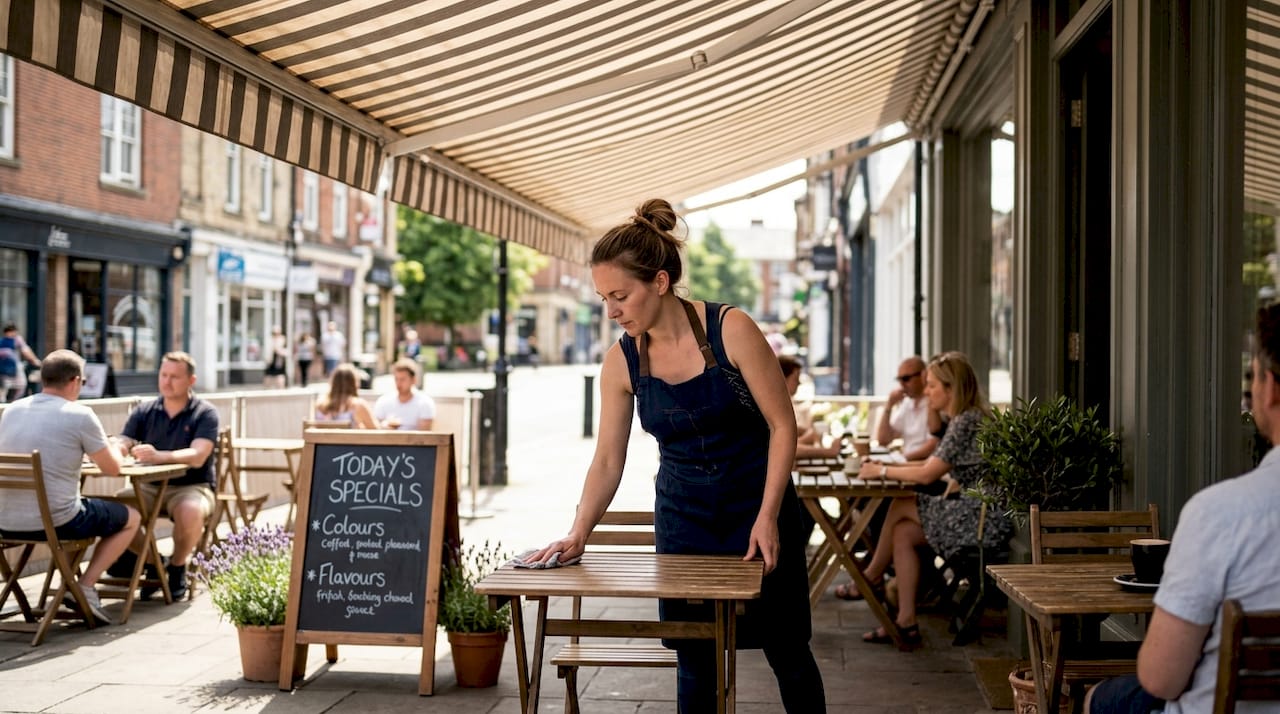
Awnings can reduce indoor temperatures by up to 8°C whilst cutting cooling costs by as much as 25%. For homeowners and businesses across Yorkshire, Derbyshire, Nottinghamshire, and Lincolnshire, these outdoor shading solutions transform patios, beer gardens, and commercial spaces into comfortable, usable areas throughout the year. Whether you run a bustling café in Sheffield or want to enjoy your Nottingham garden more often, understanding how awnings work and which type suits your needs can dramatically improve comfort, extend outdoor seasons, and even boost revenue. This guide explains the science behind awning effectiveness, compares retractable and fixed options, and provides expert tips for choosing and maintaining the right shading solution for your specific site and weather conditions.
Table of Contents
Key Takeaways
Point | Details |
Heat reduction | Awnings can reduce indoor temperatures by three to eight degrees Celsius and block solar radiation, with greater effects on west facing windows. |
Energy savings | Awnings cut cooling energy costs by ten to twenty five per cent for homes and businesses across the United Kingdom. |
Retractable advantages | Retractable designs let you extend shade in bright sun and retract during clouds or wind, aided by wind sensors that protect the fabric. |
Site orientation matters | South and west facing installations deliver the greatest heat reduction due to afternoon sun, and the best shading solution should be chosen based on site exposure and intended use. |
How awnings reduce heat and enhance comfort
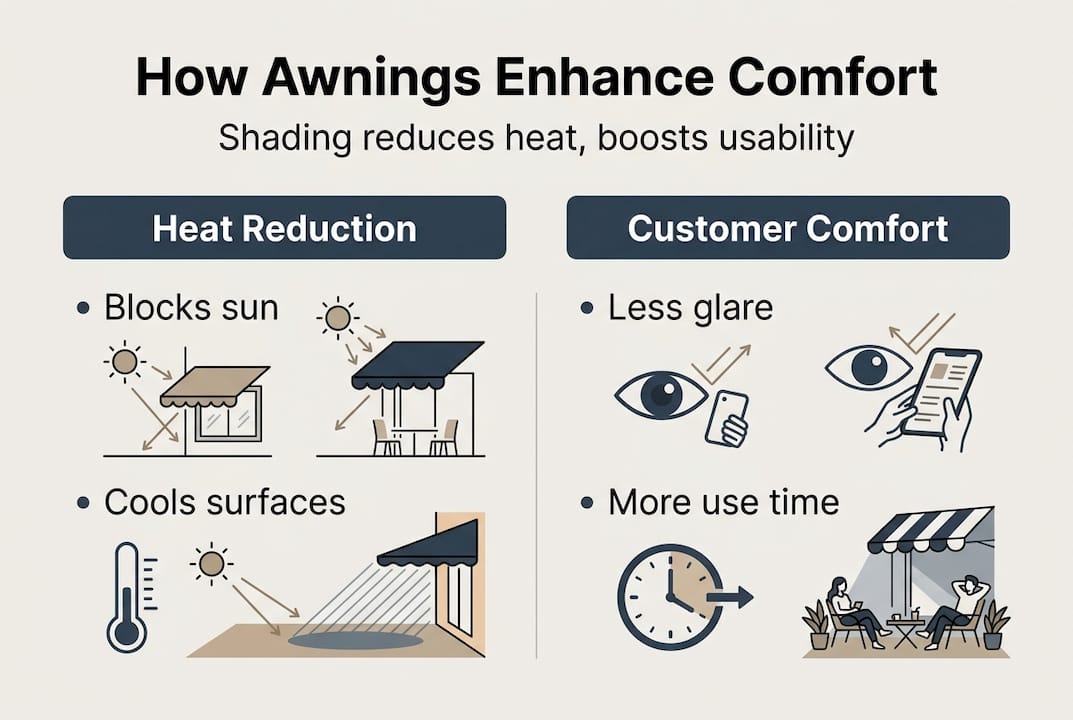
Awnings block solar radiation before it penetrates windows and outdoor surfaces, preventing heat from building up inside buildings. This external shading approach proves far more effective than internal blinds or curtains, which trap heat between the window and fabric. Awnings reduce indoor temperatures by 3-8°C and solar heat gain by up to 77% on west-facing windows, where afternoon sun creates the most intense thermal load. The temperature drop varies based on awning projection, fabric density, and window orientation, but even modest shading delivers measurable comfort improvements.
Outdoor comfort benefits are equally impressive. Research shows shaded surfaces experience temperature reductions of 10-25°C compared to direct sun exposure, whilst ambient air temperatures under awnings drop by approximately 6.6°C. This cooling effect transforms unusable hot patios into pleasant dining or relaxation spaces during summer months. For commercial venues like pubs and restaurants, this difference directly impacts customer dwell time and satisfaction.
Retractable awnings offer particular advantages for UK climates. You can extend them during sunny spells to provide shade and cooling, then retract them when clouds roll in or winds pick up. This flexibility matters enormously in Yorkshire and neighbouring counties, where weather changes rapidly throughout the day. Modern retractable awnings incorporate wind sensors that automatically retract the fabric when gusts exceed safe thresholds, protecting your investment without constant monitoring.
Pro Tip: South and west-facing installations deliver the greatest heat reduction benefits, as these orientations receive the most intense afternoon solar radiation during peak cooling season.
The physics behind awning effectiveness centres on preventing solar heat gain at the building envelope. When sunlight strikes windows, approximately 30% reflects away, but the remaining 70% enters as heat. Awnings intercept this radiation externally, reflecting and absorbing it before thermal energy reaches glass surfaces. The result is dramatically lower indoor temperatures without mechanical cooling, reducing strain on air conditioning systems and creating naturally comfortable environments.
Energy savings and operational benefits for homes and businesses
Awnings cut cooling energy costs by 10-25% for homes and businesses in UK regions like Yorkshire. These savings accumulate significantly over summer months when cooling demands peak. For homeowners, reduced energy bills provide ongoing financial returns that offset initial awning investment within several years. Commercial operators benefit even more, as lower cooling costs combine with increased revenue from expanded outdoor seating capacity.
Retractable awnings transform outdoor spaces from weather-dependent liabilities into reliable revenue generators. Outdoor seating capacity increases when customers can dine comfortably regardless of sun or light rain, directly boosting sales during peak trading periods. A Doncaster pub garden case study demonstrated how multi-product awning installations extended usable outdoor space throughout spring and summer, capturing trade that previously moved indoors or to competitors during variable weather.
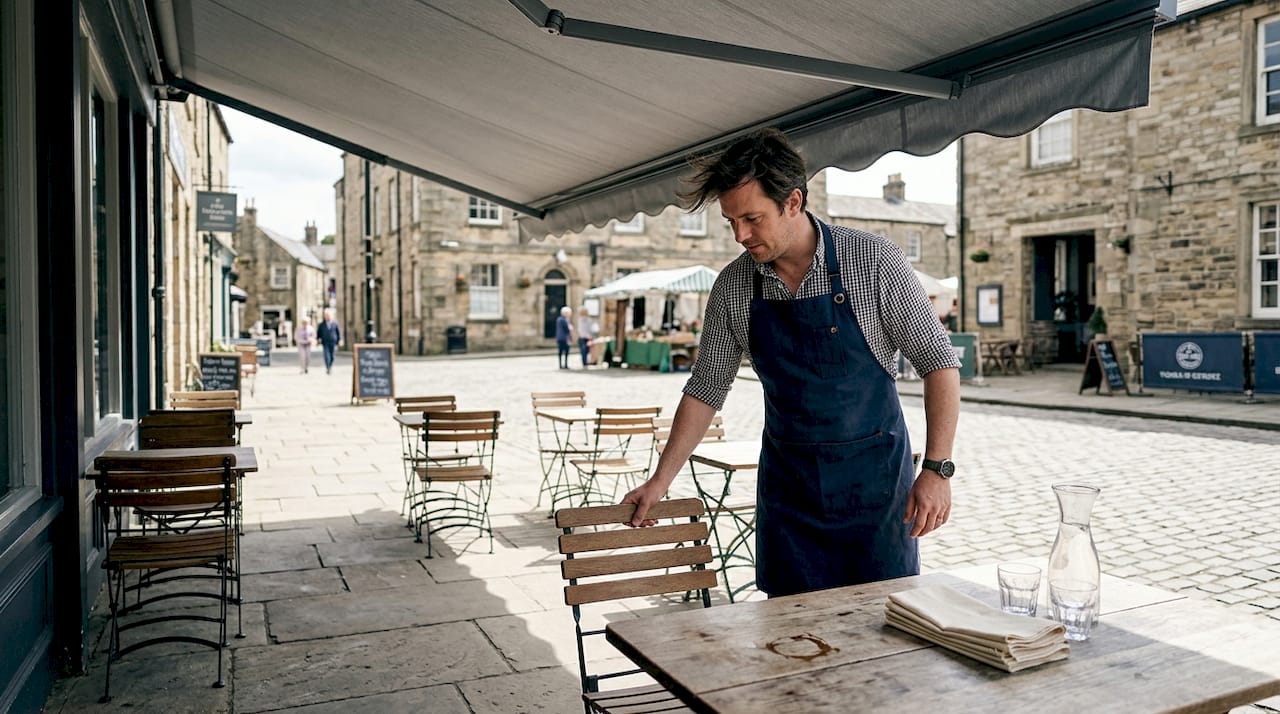
Beyond financial returns, awnings enhance sustainability credentials. Lower energy consumption reduces carbon footprints for both residential and commercial properties, supporting environmental goals without sacrificing comfort. This matters increasingly to customers who favour businesses demonstrating genuine commitment to sustainability. Installing visible outdoor shading signals environmental awareness whilst delivering practical benefits.
Pro Tip: Pair awnings with outdoor heaters and LED lighting to create year-round outdoor spaces that generate revenue even during cooler months, maximising return on your shading investment.
Operational flexibility represents another key advantage. Modern electric awnings deploy at the touch of a button, allowing staff to respond instantly to changing weather without leaving service areas. This convenience proves invaluable during busy service periods when every minute counts. For homeowners, motorised operation means you’ll actually use your awning regularly rather than leaving it retracted due to manual deployment hassle.
The commercial benefits extend beyond direct revenue. Comfortable outdoor spaces enhance customer experience, encouraging longer visits and positive reviews. In competitive hospitality markets across Yorkshire towns and cities, superior outdoor comfort differentiates your venue from neighbours. Weather protection also reduces customer complaints and last-minute seating changes that disrupt service flow.
Types of awnings and their suitability for different settings in Yorkshire and surrounding counties
Retractable folding arm awnings dominate residential and light commercial applications due to their versatility and protection features. These systems use tensioned solution-dyed acrylic fabrics with UV80+ ratings that block harmful radiation whilst resisting fading and mildew. Folding arms maintain fabric tension across the projection, preventing sagging and water pooling. Most quality retractable awnings auto-retract in winds reaching Beaufort 4-6 (20-31 mph), providing automatic protection during sudden gusts common in exposed locations.
Fixed awnings offer greater wind resistance but sacrifice operational flexibility. Their permanent installation and rigid framework handle stronger winds than retractable alternatives, making them suitable for consistently exposed sites where wind protection matters more than adjustability. However, fixed awnings remain deployed year-round, potentially blocking desirable winter sunlight and warmth. They also require more substantial structural support and planning consideration.
Feature | Retractable awnings | Fixed awnings |
Wind resistance | Beaufort 4-6 with sensors | Beaufort 6-8 depending on design |
Flexibility | Deploy/retract as needed | Permanent installation |
Maintenance | Fabric protected when retracted | Constant weather exposure |
Cost | Moderate to high | Moderate |
Best applications | Residential patios, sheltered commercial spaces | Exposed shopfronts, permanent coverage needs |
Site exposure critically influences awning selection. Sheltered residential patios in urban areas typically suit 3-metre retractable awnings with standard wind ratings. Exposed commercial sites facing open fields or elevated positions require either heavy-duty retractables with Class 3 wind ratings or fixed awning alternatives. Coastal locations and hilltop properties experience particularly challenging wind conditions that demand robust solutions.
Pro Tip: Request a site survey from experienced installers who understand local wind patterns and exposure factors specific to Yorkshire and neighbouring counties. Their expertise prevents costly mismatches between awning specifications and actual site conditions.
Fabric selection impacts both performance and longevity. Solution-dyed acrylic fabrics resist fading far better than printed alternatives, maintaining appearance for 8-12 years with proper care. These fabrics also shed water effectively when pitched correctly, preventing pooling that strains mechanical components. Lighter colours reflect more solar radiation, providing superior cooling, whilst darker shades create more dramatic visual statements.
The awning selection process should account for specific usage patterns. Hospitality venues requiring frequent daily deployment benefit from robust electric motors and quality mechanical components that withstand intensive use. Residential installations used occasionally can employ simpler manual or budget electric systems. Commercial applications also warrant extended warranties and responsive local service support to minimise revenue-impacting downtime.
Weatherproofing considerations extend beyond wind resistance. Proper pitch angles ensure water runoff rather than pooling, which damages fabric and mechanisms. Quality retractable awnings incorporate sealed cassettes that protect rolled fabric from weather when retracted, dramatically extending lifespan compared to open-roll designs. These details separate premium installations from budget alternatives that require frequent replacement.
Practical considerations and expert tips for maximising comfort and longevity
Projection length directly affects both coverage and wind vulnerability. Match awning projection to site exposure by selecting 2.5-3 metre projections for sheltered patios and 2-2.5 metres for moderately exposed locations. Exposed commercial sites facing strong prevailing winds should consider pergolas or fixed awnings rather than extended retractable projections. Longer projections create more leverage during wind events, increasing stress on mounting points and mechanical components.
Commercial installations in exposed locations require particularly robust mounting solutions. Structural surveys ensure wall fixings penetrate solid masonry rather than render or cladding, distributing loads safely. Some venues require supplementary support posts to reduce cantilever stress on building facades. Professional installers assess these requirements during site surveys, preventing installation failures that damage property and create liability risks.
Combining awnings with automated sensors delivers convenience and fabric protection. Wind sensors automatically retract awnings when gusts exceed safe thresholds, protecting mechanisms and fabric without manual intervention. Sun sensors can deploy awnings automatically when solar intensity reaches set levels, maintaining consistent comfort without constant adjustment. Rain sensors retract fabric to prevent water damage during heavy downpours. These automations prove especially valuable for commercial venues during unattended hours.
Clean fabric annually with mild soap solution and soft brush to remove dirt, pollen, and organic growth that degrade appearance and fabric integrity.
Inspect mechanical components and mounting points every six months, tightening fixings and lubricating moving parts as specified by manufacturers.
Retract awnings during extended periods of non-use to protect fabric from unnecessary weather exposure and reduce wind loading risks.
Address minor fabric tears or mechanical issues immediately before they escalate into expensive replacements or safety hazards.
Schedule professional servicing every 2-3 years to maintain warranties and catch developing problems before they cause failures.
Pro Tip: Never leave retractable awnings extended during storms or when premises are unattended overnight, even with wind sensors fitted. Extreme weather can exceed sensor response times, causing damage that voids warranties.
Complementary shading and heating solutions extend outdoor usability beyond awning capabilities alone. Infrared heaters mounted above seating areas provide warmth during cooler evenings, allowing comfortable outdoor dining into autumn and spring shoulder seasons. Side screens or glass panels add wind protection without blocking views, creating comfortable microclimates even when breezes would otherwise drive customers indoors. LED lighting integrated into awning cassettes enhances ambiance whilst improving safety and security.
The selection process benefits enormously from viewing installed examples and speaking with existing users. Reputable suppliers provide case studies and site visits that demonstrate real-world performance in conditions similar to your location. This research prevents expensive mismatches between expectations and delivered results, ensuring your investment achieves intended comfort and usability goals.
Customisation options allow precise tailoring to aesthetic and functional requirements. Fabric patterns range from traditional stripes to contemporary solids in hundreds of colours. Valance styles, framework colours, and optional features like integrated lighting create cohesive designs that enhance rather than detract from property appearance. Commercial installations can incorporate branding elements that reinforce identity whilst providing practical weather protection.
Enhance your space with tailored awning solutions
Yorkshire homeowners and businesses deserve outdoor shading solutions engineered for local weather patterns and usage demands. Infinity Awnings brings over 15 years of specialist experience to installations across Yorkshire, Derbyshire, Nottinghamshire, and Lincolnshire, ensuring your awning investment delivers lasting comfort and value.
Our range includes retractable folding arm awnings, fixed canopies, and complementary pergola systems from premium European manufacturers. Every installation accounts for site-specific exposure, wind patterns, and intended use, matching awning specifications to your exact requirements. We supply wind-rated systems with automated sensors for exposed commercial locations and elegant residential solutions that enhance garden enjoyment.
Explore our comprehensive guides and commercial case studies to understand which shading solutions suit your property. Our team provides free site surveys and detailed quotations that outline optimal configurations for your space. From initial consultation through installation and aftercare, we ensure your outdoor areas become comfortable, usable spaces that enhance property value and customer satisfaction. Visit Infinity Awnings to start your outdoor transformation today.
Frequently asked questions
What are the best awnings for windy Yorkshire climates?
Fixed awnings or Class 3 rated retractable systems with wind sensors suit exposed Yorkshire sites best. These handle Beaufort 6-8 winds whilst providing reliable coverage. Sheltered urban locations can use standard retractables with Beaufort 4-6 ratings and automatic retraction.
How much can awnings reduce energy bills in homes and businesses?
Awnings typically cut cooling energy costs by 10-25% in UK homes and commercial buildings. Savings vary based on window orientation, awning size, and building insulation. West and south-facing installations deliver maximum returns by blocking intense afternoon solar radiation.
Do retractable awnings require regular maintenance?
Annual fabric cleaning and biannual mechanical inspections maintain performance and longevity. Clean fabric with mild soap and soft brush, removing organic growth and dirt. Inspect fixings and lubricate moving parts as manufacturers specify. Professional servicing every 2-3 years catches developing issues early.
How do retractable awnings improve outdoor seating and revenue for pubs and cafes?
Retractable awnings extend seating usability during sun and light rain, increasing capacity without permanent structures. This flexibility captures trade during variable UK weather that would otherwise move indoors. Comfortable outdoor spaces encourage longer customer visits and positive reviews, driving repeat business.
What projection length should I choose for my awning?
Sheltered residential patios suit 2.5-3 metre projections providing generous coverage. Moderately exposed locations need 2-2.5 metres balancing coverage and wind resistance. Heavily exposed commercial sites should consider shorter projections or fixed alternatives to handle strong prevailing winds safely.
Recommended
Comments